Estimadas familias:
Tal y como se ha indicado en la circular, se empleará el blog de Inglés como herramienta de enseñanza-aprendizaje durante estos días.
Además disponéis de mi cuenta de correo para plantear dudas que puedan surgir.
franciscodeasis.fuentevillamontes@educantabria.es
Durante estos días estarán habilitados los comentarios a las diferentes entradas del blog.
Cada sesión de clase se colgará el día anterior.
Recordad que también se puede entrar en la web de la editorial con la clave facilitada a inicio de curso.
Para que el acceso a la información sea más rápido, cada grupo tiene asignado un color.
5ºA naranja
5ºB verde
6º A azul
6º B rosa
La información sobre los planes de trabajo estará en español para que pueda ser manejada por todos.
Friday, 13 March 2020

Sunday, 8 March 2020

Monday, 2 March 2020

Sunday, 1 March 2020
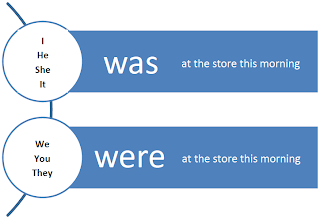
6. Unit 5 Past simple to be
To be: past simple forms
To be: pronouns and forms #
Was / were - simple past exercises
To be - past simple
Was / were - short answers
Using the verb to be 5
Using the verb to be 6
Be: Past simple affirmative 1
Was not / were not - exercises
Be - simple past tense exercises
To be past simple - negative
Was / were - exercises
To be past - questions
Using the verb to be 7
Using the verb to be 8
Using the verb to be 9
Be verb : present and past #
To be : past and present #
Was / were - grammar exercises
Was / Were quiz
To be : present and past exercises
Past tense to be - negative
To be - present and past tense
Am is are / was were - exercises
Were they in these places ?
Fill in the blanks with the was or were
Be: Past simple negative
Be: affirmative and negative
Be past tense - Yes / No questions
Was or were - correct form
Past simple : positive - negative
Past simple : yes/no questions
Past simple with be : exercises
To be: pronouns and forms #
Was / were - simple past exercises
To be - past simple
Was / were - short answers
Using the verb to be 5
Using the verb to be 6
Be: Past simple affirmative 1
Was not / were not - exercises
Be - simple past tense exercises
To be past simple - negative
Was / were - exercises
To be past - questions
Using the verb to be 7
Using the verb to be 8
Using the verb to be 9
Be verb : present and past #
To be : past and present #
Was / were - grammar exercises
Was / Were quiz
To be : present and past exercises
Past tense to be - negative
To be - present and past tense
Am is are / was were - exercises
Were they in these places ?
Fill in the blanks with the was or were
Be: Past simple negative
Be: affirmative and negative
Be past tense - Yes / No questions
Was or were - correct form
Past simple : positive - negative
Past simple : yes/no questions
Past simple with be : exercises
Friday, 21 February 2020
6. The city - vocabulary
Places in a city 1 - exercises
Places in a city 2 - exercises
Places in a city 3 - exercises
Buildings in town - click start
To be + places in town
Where is it ? - exercises
Places in a city - exercises
In the city - multiple choice exercise
Shops in town - matching exercise
Shops in the city - memory game
Where do you buy ...? - exercises
The city - vocabulary exercises
Places in town #
Places in town - skip stage #
Places - descriptions #
Match it - buildings
Shops and places - interactive book #
 Tema recién empezado, enlaces para practicar y divertirse durante estos días.
Places in a city 2 - exercises
Places in a city 3 - exercises
Buildings in town - click start
To be + places in town
Where is it ? - exercises
Places in a city - exercises
In the city - multiple choice exercise
Shops in town - matching exercise
Shops in the city - memory game
Where do you buy ...? - exercises
The city - vocabulary exercises
Places in town #
Places in town - skip stage #
Places - descriptions #
Match it - buildings
Shops and places - interactive book #


Wednesday, 19 February 2020
6. Marmalade
Hoy durante el examen degustación para coger fuerzas.

Marmalade. Inventada durante el reino de María Estuardo. Su médico mezcló naranjas y azúcar para aliviar los mareos. El origen de la palabra se explica de la siguiente manera: En la corte británica se hablaba francés y cuando la reina padecía mareos se decía que “Marie est malade” que terminó anglificándose como “mermelade”, asociándose al preparado de naranja y azúcar. El resto de mermeladas jam.
Tuesday, 18 February 2020


Thursday, 13 February 2020
6. Video activity
-
Which
sport can you see in the video?
-
What
does the boy do?
-
Can
you read his mother´s lips?
Look at her
face. The mum is very happy too, everybody is happy.
Gary Striewski
makes and interview.
-
What´s
the name of the boy?
-
How
old is he?
-
The
boy has a nice gesture. He thinks that ………………………….. people watch it.
-
The
team is Boston Red sox (socks) or Boston Green shorts?
-
Is
his mum in the audience?

Tuesday, 11 February 2020


Sunday, 9 February 2020

Saturday, 8 February 2020

Friday, 7 February 2020
Wednesday, 5 February 2020
Sunday, 2 February 2020

Subscribe to:
Posts (Atom)